





Why Your Heat Pump is Essential for Year-Round Comfort in Fishers
Heat pump repair in Fishers, IN is a critical service for homeowners who depend on their systems to provide both heating and cooling throughout the year. When your heat pump starts showing signs of trouble—strange noises, inconsistent temperatures, or rising energy bills—you need to know what’s happening and when to call for help.
Common signs you need heat pump repair in Fishers, IN:
- Unusual noises like grinding, squealing, or buzzing from the unit
- Inconsistent temperatures with hot and cold spots throughout your home
- Sudden spikes in energy bills without a change in usage
- Frequent cycling or electrical issues like tripped breakers
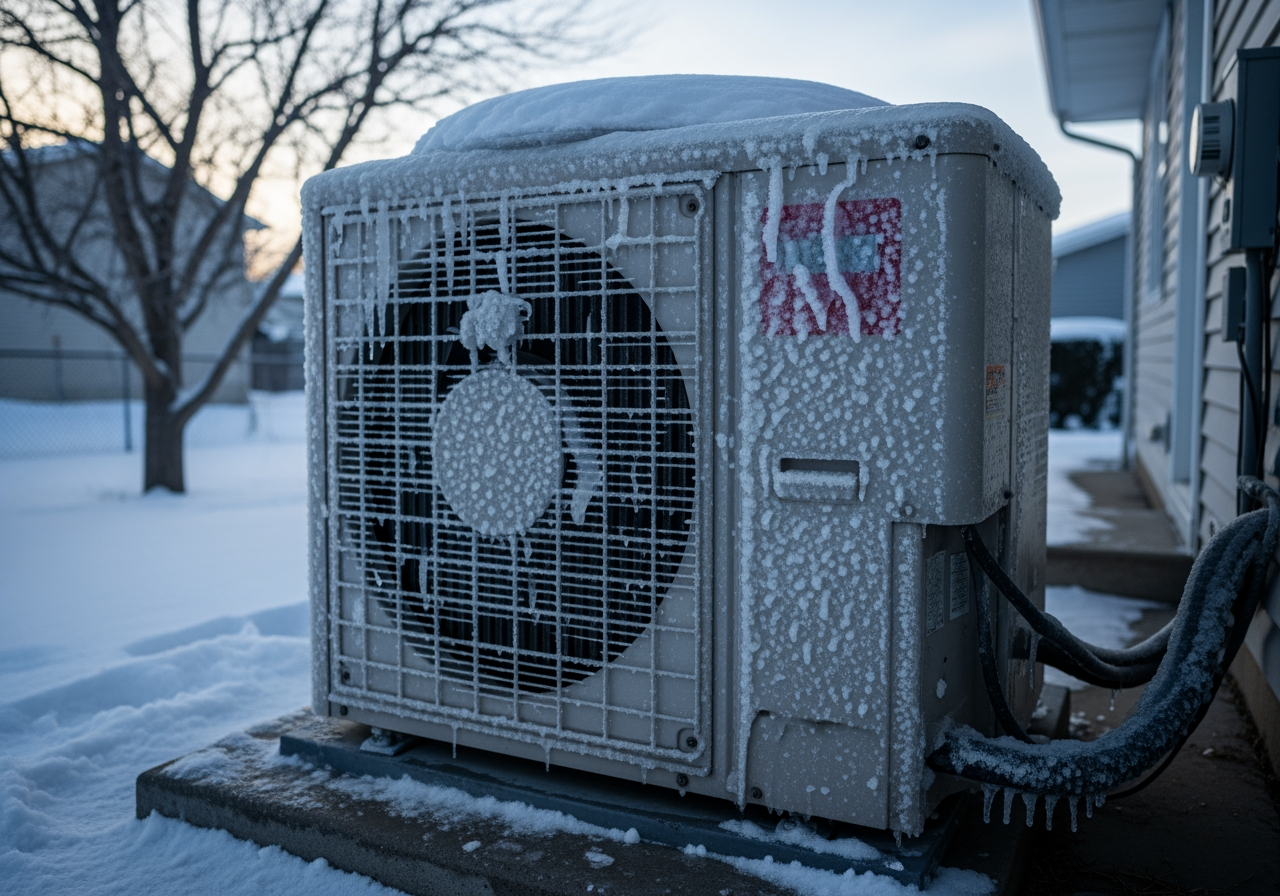
- Ice or frost buildup on indoor or outdoor coils
Heat pumps are unique because they work year-round, transferring heat rather than generating it through combustion. This makes them highly efficient—reducing electricity use for heating by about 65% compared to traditional furnaces—but it also means components experience more wear and tear over time. In Fishers, where we experience all four seasons, your heat pump shifts between heating mode in winter and cooling mode in summer, making regular maintenance and timely repairs essential for consistent comfort.
For comprehensive guidance on keeping your system running smoothly, check out our complete heat pump service guide. If you’re experiencing any of these warning signs and need professional assistance, schedule a repair appointment with Star Heating, Cooling & Plumbing today.
I’m Jeff Rich II, and I’ve been working in the HVAC industry since I was a teenager, learning the trade from my father and uncle on job sites around central Indiana. Over the years, I’ve diagnosed and repaired countless heat pump issues for homeowners in Fishers, IN, and I understand how critical these systems are to your family’s comfort and safety.
The Top 5 Warning Signs Your Heat Pump Needs Attention
Your heat pump is a workhorse, tirelessly keeping your Fishers home comfortable no matter the season. But like any complex system, it can develop issues. Recognizing the early signs of trouble can save you from more extensive and costly repairs down the line. Let’s explore the top five warning signs that indicate your heat pump might be in need of professional attention.
1. Unusual Noises or Strange Odors That Signal a Need for Heat Pump Repair in Fishers, IN
When your heat pump is operating normally, it should run quietly in the background. If you start hearing new or unusual sounds, it’s often a clear indicator that something isn’t quite right. Similarly, strange odors emanating from your vents or the unit itself can signal a problem that requires prompt investigation.
- Grinding, Squealing, or Screeching: These metallic sounds often point to issues with motor bearings or other moving parts that are wearing out or lacking lubrication. A failing motor could be the culprit, and addressing it early can prevent a complete system breakdown.
- Buzzing Noises: A persistent buzzing might indicate an electrical issue, such as loose wiring or a failing capacitor. While some buzzing can be normal, a loud or new buzzing sound should always be checked by a professional. Electrical problems are particularly urgent to address, as they can escalate quickly and pose safety risks.
- Musty Smells from Vents: If you notice a musty or damp smell when your heat pump is running, it could be a sign of mold or mildew growth within your ductwork or on the evaporator coil. This can impact your indoor air quality and, if left unaddressed, can lead to respiratory issues for your family. Dirty coils, specifically, can accumulate dust and moisture, creating a breeding ground for these unpleasant odors.
- Burning Odors: A burning smell is always a cause for concern. It could be dust burning off heating elements, which is common at the beginning of the heating season, but it could also indicate an overheating motor, electrical wiring issues, or even a foreign object caught in the system. If you smell something burning, it’s best to turn off your system immediately and contact us.
These sounds and smells are your heat pump’s way of telling you it needs help. Ignoring them can lead to a component failure, where a small issue turns into a major repair. We’re here to help diagnose and resolve these issues, restoring peace of mind and comfort to your home.
2. Inconsistent Temperatures and Poor Airflow
One of the primary jobs of your heat pump is to maintain a consistent, comfortable temperature throughout your home. If you’re noticing certain rooms are too hot while others are too cold, or if the system seems to be running constantly without achieving the desired temperature, these are strong indicators of an underlying problem.
- Weak Airflow from Vents: If you feel a weak stream of air coming from your vents, it could be due to several issues. Blocked air filters are a common culprit, restricting the amount of air that can pass through the system. Other possibilities include issues with the blower motor, leaky ductwork, or even obstructions within the ducts themselves.
- Hot and Cold Spots: This uneven heating or cooling suggests that your system isn’t distributing conditioned air effectively. It might be struggling to heat or cool your home evenly, leading to discomfort. This can stem from problems with the unit’s capacity, ductwork issues, or thermostat communication errors that aren’t accurately reading temperatures across different zones.
- System Runs Constantly, Fails to Reach Set Temperature: A heat pump that runs almost non-stop but still can’t hit your thermostat’s setting is losing efficiency. It’s working harder than it should, indicating a loss of heating or cooling power. This could be due to low refrigerant levels, a failing compressor, or even an improperly sized system for your home’s needs.
- Thermostat Communication Errors: Sometimes, the issue isn’t with the heat pump itself, but with the thermostat. If your thermostat isn’t accurately reading the temperature or communicating effectively with your heat pump, it can lead to inefficient operation and inconsistent comfort.
These issues mean your heat pump is struggling to do its job, often resulting from component failure or reduced efficiency. Addressing them promptly can improve your home’s comfort and prevent further strain on your system.
3. A Sudden Spike in Your Energy Bills
One of the most compelling reasons homeowners in Fishers choose heat pumps is their energy efficiency. Heat pumps are designed to transfer heat, not generate it, which significantly reduces electricity use for heating—by about 65% compared to other heating options. However, if you suddenly notice a significant and unexplained increase in your utility bills, it’s a strong signal that your heat pump is losing its efficiency and working harder than it should.
- Reduced System Efficiency: As components wear down, your heat pump has to expend more energy to achieve the same heating or cooling effect. This can happen due to dirty coils, a struggling compressor, or issues with refrigerant levels. When the system isn’t operating at its peak, it consumes more electricity, directly impacting your monthly costs.
- Unexplained Increase in Utility Costs: If your energy usage habits haven’t changed, but your bills are climbing, your heat pump is a prime suspect. This increase indicates the system is no longer performing optimally, and that lost efficiency translates directly into higher operating costs.
- System Working Harder: A heat pump that’s constantly running or struggling to reach the desired temperature is undoubtedly working overtime. This extra effort consumes more energy than necessary, leading to increased wear and tear on components and, inevitably, higher energy bills.
- Component Wear and Tear: Over time, parts like the compressor, fan motors, and coils can degrade. This wear reduces the system’s ability to transfer heat efficiently, forcing it to compensate by running longer or at higher power, which drives up energy consumption.
- Loss of Performance: When a heat pump loses performance, it’s simply not doing its job effectively. It might take longer to heat or cool your home, or it might struggle to maintain consistent temperatures. This diminished performance always comes with an energy cost.
A noticeable jump in your energy bills is a clear indicator that your heat pump repair in Fishers, IN needs attention. Addressing the root cause of this inefficiency can not only restore comfort but also bring your energy costs back down to expected levels.
4. Frequent Cycling or Electrical Issues
Your heat pump operates in cycles, turning on to heat or cool your home and then turning off once the desired temperature is reached. However, if your system starts turning on and off too frequently—a phenomenon known as “short cycling”—or if you notice electrical problems associated with its operation, these are critical signs that something is amiss.
- Short Cycling: When your heat pump repeatedly turns on and off in short bursts, it’s likely short cycling. This can be caused by a variety of issues, including an oversized system, a faulty thermostat, clogged air filters, or low refrigerant levels. Short cycling prevents your home from reaching a stable temperature, puts excessive strain on the system’s components, and significantly reduces its lifespan. It also wastes energy, leading to higher utility bills.
- System Turns On and Off Rapidly: Beyond just short cycling, if the heat pump seems to be struggling to maintain operation, rapidly switching between on and off, it indicates a serious problem. This could be a safety mechanism tripping due to an internal fault, or a component failing to sustain operation.
- Tripped Circuit Breakers: A heat pump that frequently trips your home’s circuit breaker is drawing too much power, suggesting an electrical fault. This could be due to a short circuit, an overloaded motor, or other component failures that create an electrical surge. Tripped breakers are a safety concern and should be investigated immediately.
- Flickering Lights When System Starts: If the lights in your home flicker or dim noticeably when your heat pump kicks on, it often means the unit is drawing a large current, potentially indicative of an electrical issue within the unit or your home’s wiring. While a slight flicker might be normal for older systems, a prominent or new occurrence warrants inspection.
- Electrical Connection Problems: Loose or corroded electrical connections within the heat pump or its wiring can lead to inconsistent power supply, causing issues like short cycling, inefficient operation, or even complete failure. These problems are serious and require professional attention to prevent further damage or fire hazards.
Electrical issues with a heat pump are particularly urgent to address because they can pose safety risks and lead to more expensive repairs if neglected. If you observe any of these signs, it’s crucial to have your heat pump repair in Fishers, IN professionally diagnosed.
5. Ice or Frost Buildup on the Coils
While a little frost on your outdoor heat pump unit during the winter is normal (as the unit goes through defrost cycles), excessive ice or frost buildup, especially on the indoor coils or when it’s not extremely cold outside, is a clear sign of trouble. This issue can severely hinder your heat pump’s ability to heat or cool your home effectively.
- Ice on Outdoor Unit in Winter: During colder temperatures, your heat pump’s outdoor coil may develop a thin layer of frost. The system is designed to periodically enter a defrost cycle to melt this frost away. However, if you see a thick layer of ice that doesn’t melt, or if the unit is constantly covered in ice, it indicates a problem with the defrost cycle itself, such as a faulty defrost sensor or a reversing valve issue.
- Frozen Indoor Coils in Summer: Finding ice on your indoor evaporator coil during the cooling season is a definite sign that something is wrong. This is typically caused by restricted airflow (e.g., a very dirty air filter, blocked return vents) or low refrigerant levels. When airflow is restricted, the coil gets too cold and moisture in the air freezes on it. Low refrigerant also causes the coil to get excessively cold.
- Defrost Cycle Issues: If the defrost cycle isn’t activating or functioning correctly, ice will accumulate on the outdoor unit. This can be due to a malfunctioning defrost timer, sensor, or a problem with the reversing valve that switches the system between heating and cooling modes.
- Restricted Airflow: As mentioned, restricted airflow—whether from a dirty filter, blocked vents, or a failing blower—can cause the evaporator coil to become too cold and freeze. This not only leads to ice buildup but also significantly reduces the heat pump’s efficiency and cooling capacity.
- Low Refrigerant Levels: Refrigerant is the lifeblood of your heat pump, responsible for absorbing and releasing heat. If your system is low on refrigerant, it means there’s a leak. Low refrigerant pressure causes the evaporator coil to get excessively cold, leading to ice formation. A refrigerant leak is a serious issue that needs immediate professional attention, not just a top-off, as the leak must be found and repaired.
Ice or frost buildup means your heat pump is struggling to perform its basic function. It’s not just an aesthetic problem; it can lead to system damage and a significant drop in comfort.
Understanding Your Options: Repair vs. Replacement
When your heat pump starts acting up, you’re faced with a crucial decision: should we repair it or consider a full replacement? This choice often boils down to several factors, including the system’s age, the frequency and cost of past repairs, and its overall efficiency.
The typical lifespan of a heat pump is often 15 to 20 years or more with proper maintenance. This is a significant investment, so understanding when to repair versus replace is key to making a wise decision for your home in Fishers.
Here’s a general guide to help you decide:
| Factor | Consider Repair If… | Consider Replacement If… |
|---|---|---|
| System Age | Your heat pump is less than 10 years old. | Your heat pump is 10 years old or more. |
| Repair Cost | The repair cost is less than 50% of the cost of a new system. | The repair cost is 50% or more of the cost of a new system. |
| Frequency of Repairs | Repairs are infrequent and minor. | Your heat pump requires frequent repairs, especially for major components. |
| Efficiency | The system is still energy-efficient, and repairs will restore peak performance. | Your energy bills are consistently high, indicating declining efficiency despite repairs. |
| Reliability | The system has been generally reliable and performs well after repairs. | The system is no longer reliable, leaving you without heating or cooling when you need it most. |
| Technology | You are satisfied with the current features and technology. | You desire newer, more energy-efficient models with advanced features (e.g., smart thermostats, variable-speed compressors). |
| Warranty | The repair is covered under warranty. | The unit is out of warranty, making repairs entirely out-of-pocket. |
As a rule of thumb, if your heat pump is less than ten years old and has a light repair history, a repair is often the more cost-effective choice. However, if your heat pump is aging (10+ years old) and requires frequent repairs, or if a significant repair is needed (like a compressor replacement), the accumulating costs can quickly approach that of a new system. In such cases, investing in a new, more energy-efficient heat pump that offers reliable long-term performance often makes more sense for your Fishers home. Modern heat pumps are also significantly more efficient and can provide greater comfort and energy savings over their lifespan.
The Importance of Proactive Heat Pump Maintenance
Just as you wouldn’t drive your car for years without an oil change, your heat pump needs regular maintenance to function optimally. Proactive maintenance is not just about fixing problems; it’s about preventing them, ensuring your system runs efficiently, and extending its lifespan.
Preparing Your System for Indiana’s Changing Seasons
Fishers experiences all four seasons, from hot, humid summers to chilly, often snowy winters. Your heat pump works hard year-round, cycling between heating and cooling modes. This constant demand makes seasonal maintenance particularly crucial for our climate.
- Spring Maintenance for Cooling: As spring arrives, we prepare your heat pump for the cooling season. This involves cleaning the outdoor unit, checking refrigerant levels, inspecting electrical connections, and ensuring the thermostat is calibrated correctly. We’ll also check the indoor coil for cleanliness and ensure proper drainage, preventing issues like musty odors or frozen coils when the summer heat arrives.
- Fall Maintenance for Heating: Before the cold Indiana winter sets in, we’ll perform a thorough check of your heat pump for heating. This includes inspecting the reversing valve (which switches between heating and cooling), checking heating elements, ensuring all components are operating safely, and cleaning the outdoor unit to prevent ice buildup. We’ll also replace air filters and ensure efficient airflow.
Regular seasonal tune-ups ensure your system is ready to handle the demands of each season, helping it perform reliably when you need it most.
How Regular Service Prevents the Need for Heat Pump Repair in Fishers, IN
Proper maintenance is the best defense against unexpected breakdowns and costly repairs. By investing in regular service, you’re investing in the longevity and performance of your heat pump.
- Extending Equipment Lifespan: A well-maintained heat pump experiences less wear and tear, meaning its components last longer. Regular cleaning, lubrication, and adjustments prevent small issues from escalating, helping your system reach its full potential lifespan of 15 to 20 years or more.
- Improving Energy Efficiency: Over time, dirt and debris can accumulate on coils and filters, forcing your heat pump to work harder. Maintenance ensures these components are clean, allowing your system to operate at peak efficiency. This translates directly into lower energy bills for your Fishers home.
- Preventing Unexpected Breakdowns: Many major heat pump repairs begin as minor, unaddressed issues. During maintenance, we can identify and fix these small problems before they lead to a complete system failure, saving you the discomfort and expense of an unexpected repair.
- Ensuring Consistent Comfort: A heat pump that receives regular care is a heat pump that provides consistent heating and cooling. Maintenance helps maintain even temperatures throughout your home, ensuring your family stays comfortable year-round.
- Catching Minor Issues Early: Our technicians are trained to spot subtle signs of wear or potential problems that might go unnoticed by homeowners. Catching these issues early allows for a simple, inexpensive repair rather than a complex, expensive one down the road.
Regular maintenance is a proactive step that protects your investment, improves your comfort, and helps prevent the need for unexpected heat pump repair in Fishers, IN.
Frequently Asked Questions about Heat Pump Service
We often hear similar questions from homeowners in Fishers regarding their heat pump systems. Here are some of the most common inquiries and our expert insights.
How often should I have my heat pump serviced?
Since a heat pump provides both heating and cooling, it operates year-round. Because of this continuous use, we recommend having your heat pump serviced twice a year.
- Once in the spring before the cooling season begins, to ensure it’s ready for the summer heat.
- Once in the fall before the heating season begins, to ensure it’s prepared for the colder Indiana winter.
This preventative care helps maintain its efficiency, prolong its lifespan, and catch any potential issues before they become major problems. It’s a crucial step in ensuring your system delivers consistent comfort throughout the year.
Can a modern heat pump handle a cold Indiana winter?
Absolutely! Modern heat pumps are far more advanced than their predecessors and are specifically designed to handle colder climates like ours in Indiana.
- High-efficiency models: Today’s high-efficiency heat pumps, especially those with variable-speed compressors, are built to function exceptionally well even when temperatures drop significantly. They can extract heat from outdoor air even in very cold conditions.
- Cold-climate heat pumps: There are specific cold-climate heat pump models engineered for superior performance in freezing temperatures, providing reliable heating throughout the winter.
- Dual-fuel systems: For added peace of mind during the coldest stretches, many homeowners opt for a dual-fuel system. This combines a heat pump with a traditional furnace. The heat pump handles most of the heating, and the furnace kicks in as a supplemental heat source when temperatures drop too low for the heat pump to operate efficiently on its own. This ensures maximum efficiency and comfort, even on the chilliest Fishers days.
So, yes, a modern heat pump is a reliable and energy-efficient choice for heating your home in an Indiana winter.
What types of heat pumps are common in the Fishers area?
In the Fishers area, we commonly service and install several types of heat pump systems, each with unique advantages:
- Air-source heat pumps: These are the most common type. They transfer heat between your home and the outside air. In winter, they extract heat from the outdoor air to warm your home, and in summer, they move heat from inside your home to the outside to cool it. They are versatile and cost-effective for many homeowners.
- Geothermal heat pumps: While a larger initial investment, geothermal systems are incredibly efficient. They exchange heat with the earth, which maintains a more consistent temperature than the air. This makes them highly energy-efficient year-round, regardless of extreme outdoor air temperatures.
- Ductless mini-split heat pumps: These systems are an excellent solution for homes without existing ductwork, additions, or for creating zoned heating and cooling in specific areas. They consist of an outdoor unit connected to one or more indoor units, allowing for precise temperature control in individual rooms or zones.
Each type offers distinct benefits, and we can help you determine which system is best suited for your home’s unique needs and our local climate.
Your Partner for Reliable Heat Pump Repair in Fishers, IN
When your heat pump isn’t performing as it should, it can quickly turn your comfortable Fishers home into a source of stress. We understand the importance of a properly functioning heat pump for your family’s year-round comfort and energy efficiency.
As a family-owned business, we pride ourselves on providing professional service with integrity and a focus on customer satisfaction. We believe in educating our customers and offering transparent solutions, ensuring you feel confident in every decision you make regarding your home’s comfort system. Whether you’re experiencing unusual noises, inconsistent temperatures, or any other signs of trouble, we are dedicated to diagnosing the issue accurately and providing effective heat pump repair in Fishers, IN.
We are committed to restoring your home comfort quickly and efficiently. Don’t let a malfunctioning heat pump leave you in discomfort.